How Outdoor Dehumidifiers Improve Air Quality and Comfort
Understanding Humidity and Its Impact on Air Quality
What is Humidity?
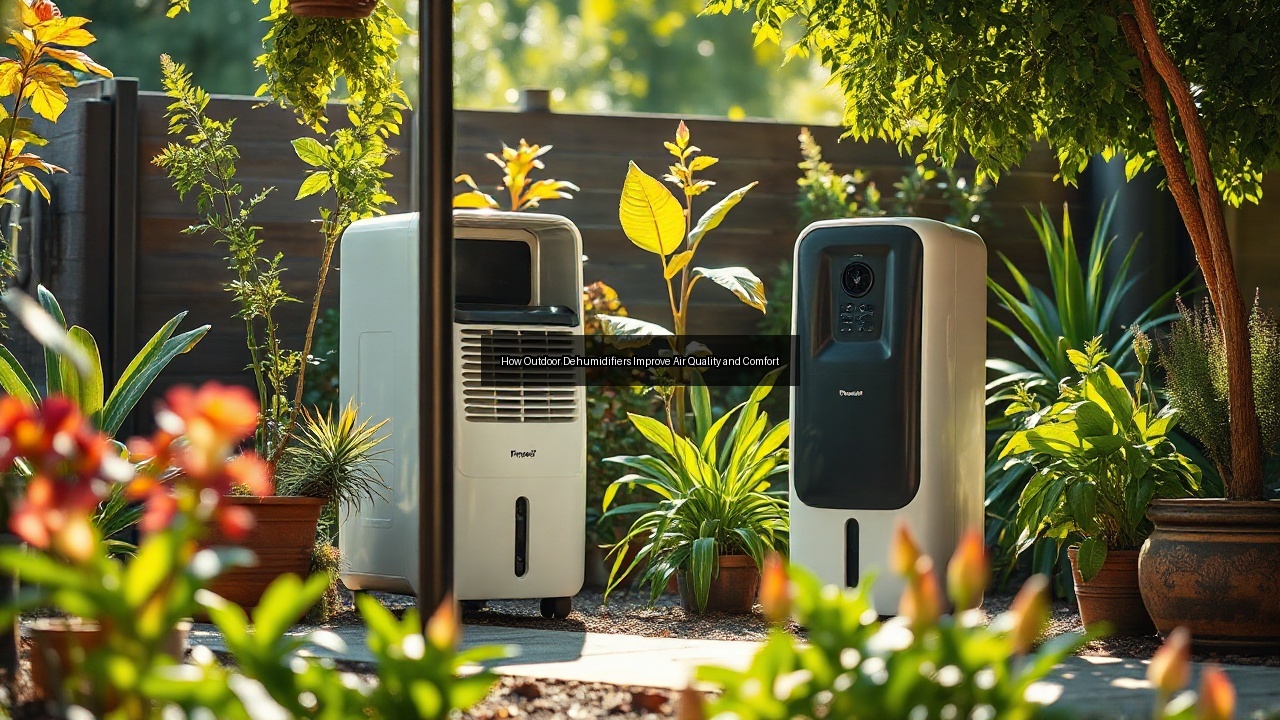
Humidity measures the amount of water vapor present in the air, and it directly shapes how comfortable indoor environments feel. High levels of humidity make spaces feel sticky and oppressive while encouraging mold growth and dust mite proliferation. Outdoor dehumidifer units tackle this issue at the source by pulling excess moisture from the surrounding air before it infiltrates living areas. When humidity rises above 60 percent, the air holds more water than most people find pleasant, leading to condensation on windows and surfaces. An outdoor dehumidifier works by drawing in ambient air, cooling it over coils, and collecting the resulting water in a tank measured in gallons. This process reduces overall moisture content and prevents the clammy sensation that often accompanies summer months or coastal climates.
Proper dehumidification also protects furniture, electronics, and structural elements from warping or corrosion. Homeowners notice immediate improvements once an outdoor dehumidifer begins operating, especially in basements or crawl spaces where moisture accumulates naturally. The device’s compressor plays a central role by compressing refrigerant to maintain cold coil temperatures that force water vapor to condense. Regular monitoring of relative humidity levels helps users decide when to activate the unit and maintain optimal indoor conditions year-round.
Effects of High Humidity on Indoor Spaces
Excess humidity creates breeding grounds for bacteria and allergens that circulate through HVAC systems and reduce overall air quality. Rooms feel warmer than the thermostat indicates because moisture interferes with the body’s natural cooling mechanism of sweat evaporation. An outdoor dehumidifer counters these effects by removing several gallons of water daily, depending on capacity, and venting drier air back into the environment. Wood floors and cabinets expand or cup when moisture levels stay elevated, while paint peels and wallpaper loosens. Dehumidification systems also limit the spread of musty odors that signal hidden mold colonies behind walls or under floors.
High humidity forces air conditioners to work harder, increasing electricity consumption and wear on the compressor. Installing an outdoor dehumidifer outside the living space keeps noise levels low indoors while still delivering effective moisture control through connected duct lines. Families with respiratory sensitivities particularly benefit because lower humidity reduces irritants that trigger asthma or allergy symptoms. Consistent operation prevents the buildup of condensation that can damage insulation and promote structural decay over time.
Signs of Excess Moisture in Rooms
Visible condensation on glass surfaces and damp patches on walls signal that humidity has exceeded comfortable thresholds. Musty smells often appear first in closets or storage areas where air stagnates. An outdoor dehumidifer addresses these symptoms by continuously extracting moisture and lowering relative humidity to the ideal 40-50 percent range. Peeling paint, warped door frames, and foggy mirrors after showers indicate trapped moisture that requires mechanical removal. Homeowners sometimes notice heavier dust accumulation or increased static electricity when humidity fluctuates wildly.
Monitoring devices placed in multiple rooms help pinpoint problem zones before damage escalates. Once an outdoor dehumidifer starts running, users typically observe drier air within hours and reduced allergy flare-ups within days. Persistent moisture also encourages insect activity, including silverfish and cockroaches that thrive in damp conditions. Proper placement of the unit near intake ducts ensures efficient circulation throughout the entire house without creating cold spots or uneven drying.
The Role of Outdoor Dehumidifiers in Air Quality Improvement
How Outdoor Dehumidifiers Work
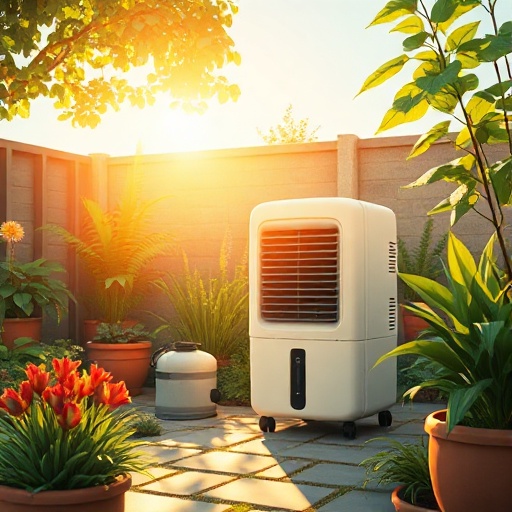
Outdoor dehumidifers operate by pulling humid air across refrigerated coils where water vapor condenses into liquid collected in a removable tank. The now drier air passes over warm coils before returning to the space or entering through a duct connected to the home’s HVAC system. This closed-loop dehumidification cycle prevents excess moisture from entering living areas while keeping the unit itself outside to reduce indoor noise and heat output. The compressor cycles on and off based on humidistat settings, maintaining steady control without constant electricity draw.
Many models include auto-defrost features that protect coils during cooler weather and allow year-round use. Large capacity dehumidifier designs can extract 50 to 100 gallons per day, making them suitable for whole-house applications or industrial outdoor dehumidifiers in commercial settings. Users connect the unit to existing ductwork so dehumidified air distributes evenly across multiple rooms. Float switches shut the unit down automatically when the tank fills, preventing overflow and water damage near the foundation.
Benefits of Dehumidification for Air Quality
Dehumidification lowers the survival rate of airborne viruses and bacteria that require moisture to remain viable. Cleaner, drier air feels fresher and reduces the workload on air filters within the HVAC system. An outdoor dehumidifer improves comfort by allowing thermostats to be set several degrees higher without sacrificing perceived coolness. Fewer allergens circulate once humidity drops, easing symptoms for household members who suffer from seasonal sensitivities. The process also prevents the off-gassing of volatile organic compounds that accelerate in humid conditions.
Industrial dehumidifier units scaled for residential use deliver consistent results even during peak summer humidity spikes. Homeowners report fewer respiratory issues and better sleep quality after installing a dedicated outdoor unit. Dehumidified spaces require less frequent cleaning because dust adheres less readily to surfaces. The overall result is a healthier indoor ecosystem that supports long-term well-being without relying solely on ventilation that can introduce additional outdoor pollutants.
Comparison with Indoor Air Dehumidifiers
Indoor air dehumidifiers occupy valuable floor space and release heat directly into the room they serve, raising cooling costs. Outdoor dehumidifers avoid these drawbacks by operating externally and routing drier air indoors through insulated ducts. Noise from the compressor and fan stays outside, preserving quiet environments for bedrooms and living areas. Maintenance access improves because technicians service the unit without entering the home. Capacity ratings often exceed those of portable indoor models, allowing one outdoor dehumidifer to handle moisture loads from several rooms simultaneously.
Indoor units frequently require manual emptying of small tanks multiple times daily, while outdoor models can drain continuously via gravity hose or pump. Energy efficiency improves when the dehumidifier sits outside because waste heat does not add to the cooling burden. Industrial outdoor dehumidifiers further demonstrate this advantage in larger properties where multiple indoor units would prove impractical and costly to operate.
Energy Efficiency and Environmental Considerations
Energy Consumption of Outdoor Dehumidifiers
Modern outdoor dehumidifers use variable-speed compressors that adjust output according to real-time humidity readings, cutting electricity use during mild conditions. Typical units draw between 400 and 800 watts during operation, comparable to a small air conditioner yet focused solely on moisture removal. Proper sizing prevents the unit from running continuously and wasting power. Homeowners can further reduce consumption by programming the humidistat to activate only when levels exceed 55 percent.
Insulated ducts minimize energy loss as dehumidified air travels into the house. Many models include smart sensors that detect occupancy or outdoor temperature changes and modulate performance accordingly. Over time, lower humidity allows the primary air conditioning system to cycle less frequently, producing net electricity savings. Tracking monthly utility bills before and after installation reveals the actual impact on household energy budgets.
Choosing Energy Star Rated Models
Energy Star certified outdoor dehumidifers meet strict efficiency guidelines set by the Environmental Protection Agency, often using 15 to 20 percent less electricity than non-rated competitors. Look for models that list both moisture removal capacity in gallons per day and energy factor ratings. These units incorporate advanced refrigerants and better insulation around the compressor and coils. Rebates from local utilities frequently offset part of the purchase price for Energy Star qualified equipment.
Certification also signals reliable performance across a range of temperatures, ensuring the outdoor dehumidifer continues functioning during shoulder seasons. Consumers should verify that the chosen model carries the Energy Star label on its packaging and documentation. This simple step guarantees lower operating costs while supporting broader environmental goals of reduced power plant emissions.
Environmental Impact of Dehumidification Systems
Effective dehumidification reduces the need for chemical mold remediation and extends the lifespan of building materials, lowering long-term waste. Outdoor placement eliminates indoor refrigerant leak risks and simplifies proper disposal at end of life. Many manufacturers now use environmentally friendly refrigerants with lower global warming potential. Continuous drainage options prevent standing water that could breed mosquitoes near the unit.
By improving HVAC efficiency, an outdoor dehumidifer indirectly cuts carbon emissions associated with electricity generation. Recycling programs for old compressors and metal housings further minimize landfill contributions. Choosing a durable model with a strong warranty reduces replacement frequency and the associated manufacturing footprint.
Selecting the Right Outdoor Dehumidifier for Your Needs
Key Features to Look For
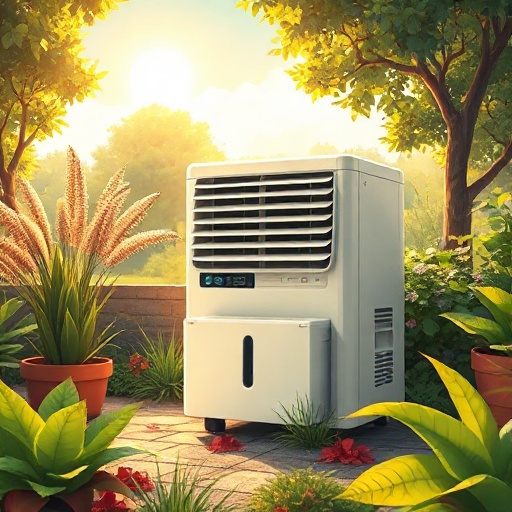
Auto-restart after power interruptions, digital humidistats, and continuous drainage ports rank among the most practical features. Built-in pumps allow flexible installation when gravity drainage is unavailable. Corrosion-resistant cabinets protect components exposed to outdoor elements. Variable fan speeds let users balance noise levels against dehumidification speed. Some units include air filtration stages that capture particulates alongside moisture removal.
Remote monitoring via smartphone apps provides real-time humidity data and alerts when the tank needs emptying or maintenance is due. Low-temperature operation extends usability into cooler months. Selecting a model with accessible control panels simplifies seasonal adjustments without requiring professional service calls.
Understanding Capacity: Gallons and Tank Size
Capacity ratings indicate how many gallons of water an outdoor dehumidifer can extract in 24 hours under standard test conditions. A 50-pint unit suits average homes, while larger properties benefit from 70-pint or higher models. Tank size determines how often manual emptying occurs; larger tanks reduce frequency. Continuous drain connections eliminate this chore entirely by routing water to a floor drain or pump.
Undersized units run constantly and fail to reach target humidity levels. Oversized units short-cycle, wasting electricity and wearing components prematurely. Matching capacity to square footage and local climate ensures efficient dehumidification without excess energy expenditure.
The Importance of Warranty and Support
A robust warranty covering the compressor for five to ten years protects against premature failure. Look for coverage that includes parts and labor rather than parts alone. Reputable manufacturers offer responsive customer support and readily available replacement components. Extended warranties provide additional peace of mind for units operating in harsh outdoor conditions.
Reading user reviews reveals real-world experiences with service response times and durability. Strong warranty terms often indicate the manufacturer’s confidence in product quality and commitment to long-term customer satisfaction.
Maintaining Your Outdoor Dehumidifier for Optimal Performance
Routine Maintenance Tips
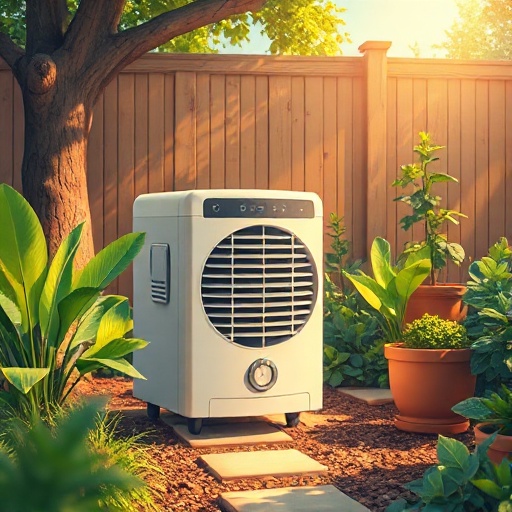
Clean or replace air filters every three months to maintain airflow and prevent strain on the compressor. Inspect coils for dust buildup and rinse gently with water when the unit is powered off. Check the drainage hose for clogs and clear them promptly to avoid overflow. Verify that the outdoor dehumidifer sits level so the tank sensor functions correctly.
Schedule annual professional inspections to test refrigerant levels and electrical connections. Keep vegetation trimmed around the unit to ensure adequate airflow. These simple steps extend equipment life and sustain consistent dehumidification performance.
Troubleshooting Common Issues
If the unit fails to start, confirm power supply and humidistat settings before checking the float switch. Excessive noise may indicate loose panels or debris near the fan. Insufficient moisture removal often stems from dirty coils or low refrigerant. Reset the unit after power outages to clear error codes.
Document symptoms and error lights before contacting support. Many issues resolve through basic cleaning or sensor recalibration without requiring replacement parts.
When to Consult an HVAC Professional
Persistent error codes, refrigerant leaks, or electrical faults demand professional diagnosis. Complex duct modifications or integration with existing HVAC systems benefit from expert installation. Technicians can also assess whether the current outdoor dehumidifer capacity matches evolving home needs after renovations or additions.
Annual service contracts provide scheduled tune-ups that catch minor problems before they escalate. Professional support ensures safe handling of refrigerants and compliance with environmental regulations.