How to Inspect Your Gearbox for Signs of Wear and Tear
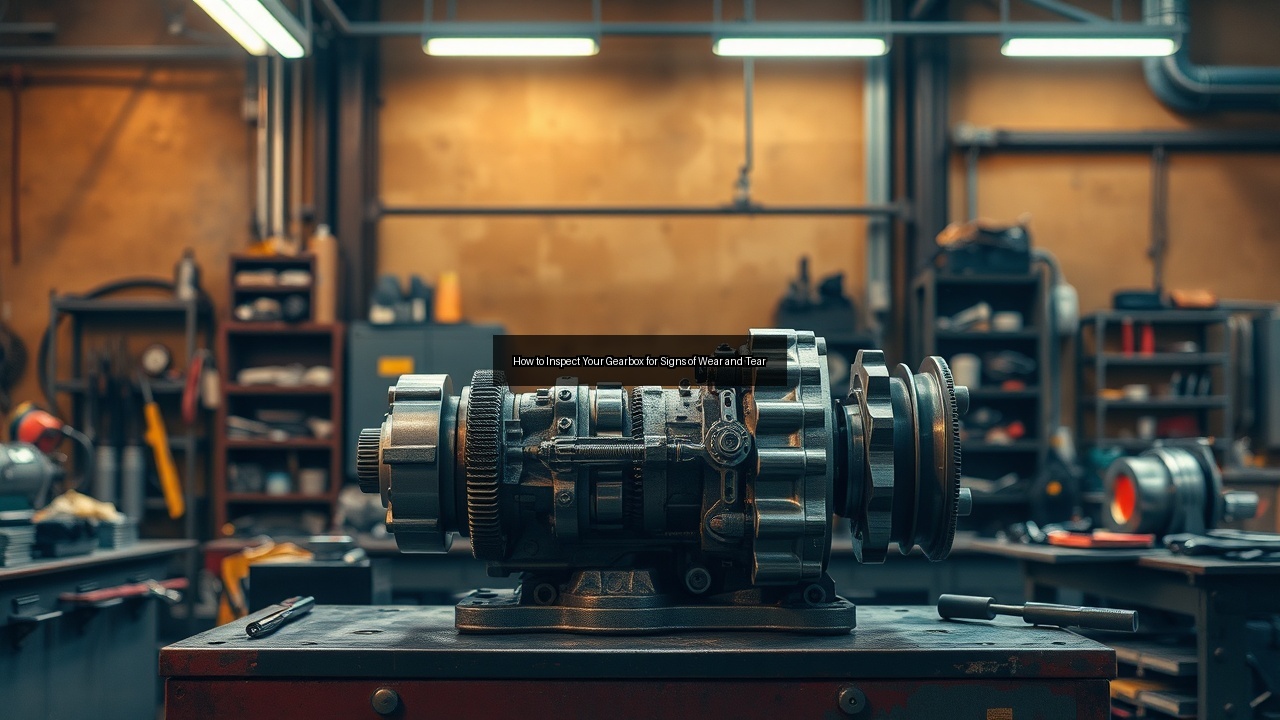
Understanding Gearboxes and Their Importance
What is a Gearbox?
A gearbox is a mechanical device that transmits power and adjusts torque through the use of gears. It plays a crucial role in various machinery, including vehicles, industrial equipment, and even household appliances. By altering the gear ratios, a gearbox can either increase the speed of an output shaft while reducing torque or enhance torque at the cost of speed. Understanding how a gearbox functions is essential for anyone involved in maintenance or operations, as it directly impacts the performance and longevity of machinery.
Types of Gearboxes: Focus on Reduction Gearboxes
Various types of gearboxes exist to meet different operational needs, with reduction gearboxes being particularly vital in applications requiring high torque and low-speed output. Reduction gearboxes reduce the speed of the input shaft while increasing the amount of torque available. This makes them indispensable in heavy machinery and applications like conveyor systems, motors, and automotive drives. The specific design and gearing of reduction gearboxes can vary, but their primary function remains consistent: to optimize performance and efficiency in demanding environments.
The Role of Gearbox in Transmission Systems
The gearbox serves as a central component in transmission systems, allowing for the effective transfer of power from the engine to the wheels or other machinery. It enables vehicles to shift gears smoothly, enhancing acceleration and overall performance. In industrial applications, gearboxes facilitate the precise control of movement and speed in various processes. A well-functioning gearbox contributes to the reliability and efficiency of the entire transmission system, making it essential to monitor its health through regular inspections and maintenance.
Signs of Wear and Tear in Gearboxes
Common Indicators of Gearbox Failure
Identifying signs of wear and tear in gearboxes can prevent catastrophic failures. Common indicators include unusual noises, such as grinding or gearbox overhauls whining sounds, which often signal damaged gears or insufficient lubrication. Leaking oil can indicate seal damage, while overheating might suggest excessive gearbox overhaul friction or a lack of proper lubrication. Vibration during operation is another red flag, often pointing to misalignment or imbalanced components. Observing these symptoms early can save significant costs and downtime associated with gearbox repairs or overhauls.
The Importance of Regular Inspection
Regular inspection of gearboxes is crucial for maintaining operational efficiency and extending lifespan. Scheduled maintenance allows for the early detection of potential issues before they escalate into severe failures. Inspections can reveal worn gears, inadequate lubrication, and other problems that might not be immediately noticeable during routine operations. Implementing a preventative maintenance strategy not only enhances the reliability of your machinery but also minimizes unexpected downtime, ensuring your operations run smoothly. Neglecting regular inspections can lead to costly gearbox rebuilds or replacements.
Understanding Forces at Play in Gears
Gears operate under various forces, including torque, shear, and bending. Understanding these forces is essential for diagnosing wear and tear. High torque can lead to increased stress on the gear teeth, resulting in deformation or fracture over time. Shear forces can affect the integrity of the material, particularly in gears made from softer metals. Bending forces can cause misalignment, leading to uneven wear and potential failure. Knowledge of these forces helps in identifying root causes of gearbox problems, allowing for targeted interventions during maintenance and repair.
Inspection Techniques for Gearbox Maintenance
Visual Inspection: What to Look For
Conducting a thorough visual inspection is the first step in gearbox maintenance. Technicians should look for signs of external damage, including cracks, dents, or corrosion on the casing. Inspecting for oil leaks around seals and joints is vital, as leaks can lead to lubrication loss and overheating. Checking the condition of mounting points and ensuring proper alignment can also prevent future issues. Additionally, examining gear teeth for wear patterns helps in assessing overall health. Regular visual inspections can catch early signs of trouble, reducing the need for extensive gearbox repairs.
Lubrication Checks and Their Impact on Efficiency
Lubrication plays a critical role in gearbox performance and longevity. Proper lubrication reduces friction, minimizing wear and tear on gear teeth and bearings. During inspections, checking oil levels and assessing the quality of the lubricant is essential. Contaminated or degraded oil can lead to increased friction and overheating, significantly impacting efficiency. Regularly scheduled lubrication service ensures that the gearbox operates smoothly, reducing the risk of premature failure. Implementing a lubrication strategy that includes timely oil changes and filter replacements can enhance gearbox reliability and performance.
Advanced Inspection Techniques: Failure Analysis and Reverse Engineering
For more complex issues, advanced inspection techniques such as failure analysis and reverse engineering become necessary. Failure analysis involves investigating the root cause of gearbox malfunctions, examining broken components, and understanding the conditions that led to the failure. This process identifies patterns that can inform future maintenance strategies. Reverse engineering, on the other hand, involves dissecting a malfunctioning gearbox to understand how it operates and what went wrong. This technique can aid in the design of more robust gearboxes and contribute to more effective gearbox rebuild services, ensuring better performance in the future.
Planning for Gearbox Repairs and Overhauls
Cost Factors in Gearbox Rebuilds and Repairs
Understanding the cost factors involved in gearbox repairs and rebuilds is essential for effective budgeting. Costs can vary significantly based on the extent of the damage, the type of gearbox, and the specific repairs needed. For instance, minor repairs such as seal replacements may be relatively inexpensive, while a complete gearbox rebuild can be costly due to labor and replacement parts. Additionally, the availability of specific brands and the complexity of the gearbox design can influence overall costs. Planning for these expenses ensures that your operation remains financially viable, even in the face of necessary repairs.
Choosing the Right Gearbox Repair Shop
Selecting a reputable gearbox repair shop is crucial for effective maintenance. Look for shops with experience in handling your specific gearbox type, as well as a track record of successful repairs and rebuilds. Inquire about their processes, including inspection techniques and parts sourcing. A quality repair shop will offer transparency regarding costs and timelines, ensuring that you understand the repair process. Reviews and testimonials can provide insight into customer satisfaction and the quality of service offered. Choosing the right repair shop can significantly impact the longevity and reliability of your gearbox.
Warranty Considerations and Preventative Maintenance Strategies
Warranty considerations play a significant role in gearbox maintenance and repair planning. Many manufacturers offer warranties that cover specific repairs or replacements within a certain timeframe. Understanding the terms of these warranties can help in making informed decisions about repairs and overhauls. Implementing a robust preventative maintenance strategy—such as regular inspections, timely lubrication, and thorough documentation—can not only extend the life of your gearbox but also preserve warranty coverage. Regular maintenance reduces the likelihood of failures, ensuring your gearbox continues to operate efficiently and effectively.