The Economic Benefits of Investing in Custom Injection Molds
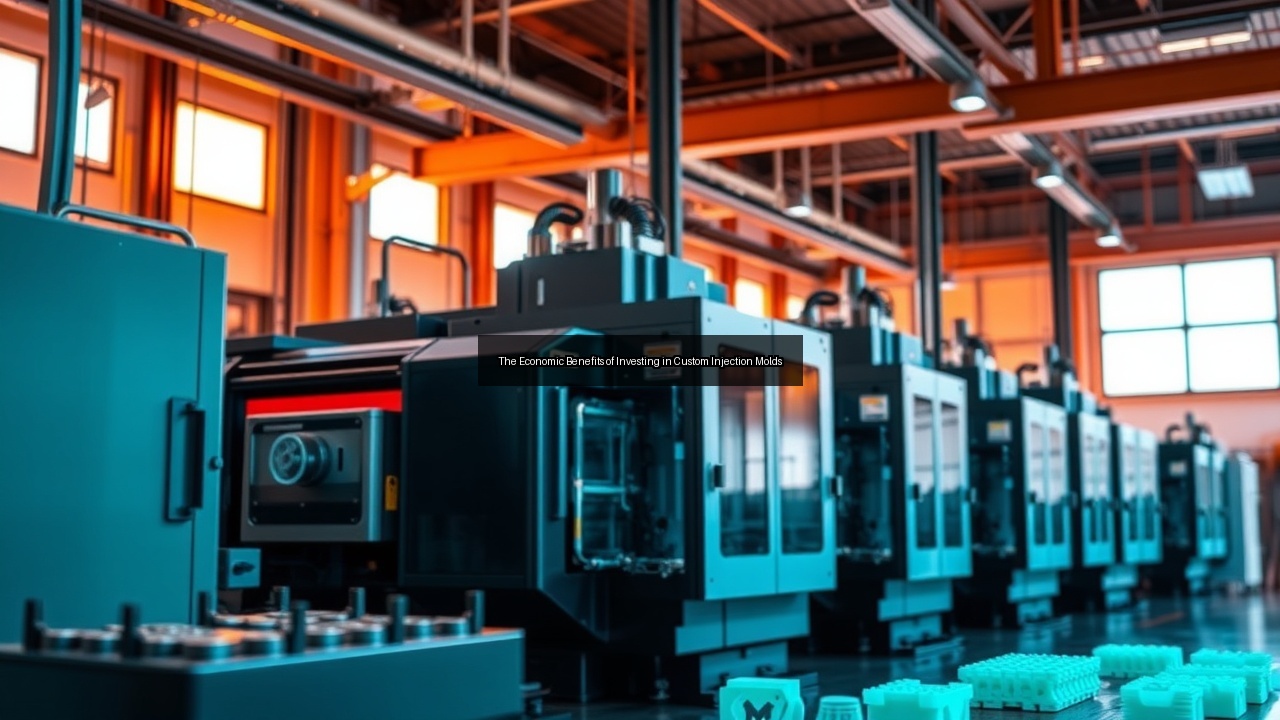
Understanding Custom Injection Molds
What Are Injection Molds?
Injection molds are precision-engineered tools used in the manufacturing process to create complex plastic parts and components. The process involves injecting molten plastic into a mold cavity, where it cools and solidifies into the desired shape. These molds can produce a vast array of products, from simple household items to intricate automotive parts. The versatility of injection molds allows manufacturers to tailor designs to meet specific functional requirements and aesthetic preferences. This adaptability makes them a cornerstone in industries ranging from consumer goods to aerospace, showcasing the indispensable role of plastic mold manufacturers in modern production.
The Injection Molding Process Explained
The injection molding process begins with the selection of thermoplastics suitable for the end product. Once the material is chosen, the plastic is heated until it becomes molten. This molten plastic is then injected into a precisely designed mold under high pressure. After the plastic fills the mold cavity, it cools and solidifies, taking on the shape of the mold. The mold is then opened, and the finished product is ejected. This process allows for high-volume production of consistent, high-quality parts, significantly reducing production times compared to other fabrication methods. The efficiency of the injection molding process is a major economic advantage for manufacturers.
Types of Injection Molds Used in Manufacturing
Manufacturers utilize several types of injection molds based on the specific needs of the production run. Common types include single-cavity molds, which produce one part per cycle, and multi-cavity molds that can create multiple parts simultaneously, increasing output efficiency. Hot runner molds, which keep the plastic molten as it moves through the system, minimize waste and improve cycle times. Conversely, cold runner molds use a different approach, cooling the plastic before it enters the mold cavity. Each type serves distinct purposes and carries its own advantages, allowing manufacturers to select the most suitable option based on production volume, material, and part complexity.
Economic Advantages of Custom Injection Molding
Cost Efficiency in Production
Investing in custom injection molding offers substantial cost efficiency for manufacturers. The high initial investment in mold design and creation pays off in high-volume production, where the cost per unit decreases significantly. Custom molds allow for precise control over design specifications, which reduces the need for costly modifications later in the production process. Moreover, the rapid production capabilities of injection molding mean that companies can quickly respond to market demands, minimizing downtime and maximizing profitability. This efficiency not only lowers production costs but also enhances a manufacturer's competitive edge in the marketplace.
Reduced Waste and Material Savings
Custom injection molding also promotes sustainability through reduced waste and material savings. The precision of the injection molding process means that manufacturers can accurately predict material usage, leading to less scrap compared to other fabrication methods. Advanced mold designs minimize excess plastic, allowing manufacturers to utilize the exact amount needed for each part. Additionally, many manufacturers are turning to recycled materials and bioplastics, further enhancing sustainability efforts. This focus on waste reduction not only benefits the environment but also contributes to significant cost savings, making it an attractive option for manufacturers looking to improve their bottom line.
Increased Production Speed and Scalability
The speed of production in custom injection molding is a significant economic advantage. The ability to produce high volumes of injection-molded parts in a short time frame allows businesses to scale operations rapidly. This scalability is crucial for meeting increasing market demands without compromising quality. Furthermore, the automation of the injection molding process minimizes labor costs and human error, leading to consistent output. Manufacturers can implement lean production techniques, optimizing workflow and reducing lead times. This combination of increased injection moulding manufacturer production speed and scalability positions businesses to capitalize on emerging opportunities in their respective markets.
The Role of Plastic Mold Manufacturers
Choosing the Right Plastic Mold Manufacturer
Selecting the right plastic mold manufacturer is critical for ensuring the success of any injection molding project. Factors to consider include the manufacturer's experience, technological capabilities, and track record in delivering quality products. A reputable manufacturer will have a robust portfolio showcasing their previous work and a history of satisfied clients. Additionally, good communication is essential; manufacturers should understand specific project requirements and collaborate closely with clients to achieve optimal results. Evaluating potential manufacturers based on these criteria helps businesses make informed decisions that ultimately impact production quality and efficiency.
How Manufacturers Ensure Quality in Injection Molding
Quality assurance in injection molding begins with the design phase. Experienced plastic mold manufacturers use advanced CAD software to create detailed mold designs that account for all variables in the injection molding process. Rigorous testing and prototyping are integral to this phase, ensuring that the molds meet exact specifications before full-scale production begins. Manufacturers often implement quality control measures throughout the production process, including real-time monitoring of temperature, pressure, and cycle times. These practices ensure that each injection-molded part meets stringent quality standards, reducing the risk of defects and enhancing customer satisfaction.
The Impact of Advanced Technology on Mold Manufacturing
Advanced technology plays a pivotal role in the evolution of plastic mold manufacturing. Innovations such as computer numerical control (CNC) machining, 3D printing, and simulation software have revolutionized how molds are designed, tested, and produced. CNC machining allows for high precision in mold fabrication, while 3D printing enables rapid prototyping and design iterations. Simulation software helps predict how the injection molding process will perform, identifying potential issues before production begins. These technologies not only enhance the efficiency of mold manufacturing but also significantly reduce lead times, giving manufacturers a competitive edge in a fast-paced market.
Future Trends in Plastic Fabrication
Emerging Technologies in Injection Molding
The future of injection molding looks promising, driven by emerging technologies that enhance production capabilities. Additive manufacturing and hybrid molding techniques are gaining traction, allowing manufacturers to combine traditional injection molding with 3D printing. This hybrid approach enables the creation of complex geometries that were previously challenging to achieve with conventional methods. Additionally, the integration of the Internet of Things (IoT) in manufacturing processes allows for real-time data collection and analysis, optimizing production efficiency. These advancements not only improve the quality of injection-molded parts but also position manufacturers to adapt quickly to changing market demands.
Sustainability in Plastic Manufacturing
Sustainability has become a focal point in plastic manufacturing, with an increasing emphasis on eco-friendly practices. Manufacturers are investing in biodegradable materials and recycled plastics to reduce their environmental footprint. The adoption of closed-loop systems, where waste material is collected and reused, is also on the rise. These sustainable practices not only meet consumer demand for environmentally responsible products but also help companies comply with strict regulations. As the industry shifts towards greener alternatives, manufacturers who embrace sustainability will likely see enhanced brand loyalty and market growth.
The Evolution of Thermoforming and Its Economic Impact
Thermoforming is another critical area in the evolution of plastic fabrication. This process involves heating a plastic sheet until pliable, then forming it over a mold to create a product. As materials and techniques advance, thermoforming is becoming more efficient and cost-effective. The economic impact of this evolution is significant; manufacturers can produce larger parts with less material waste, catering to diverse industries. The integration of thermoforming with injection molding techniques allows for hybrid products that combine the strengths of both methods. As manufacturers explore these innovative approaches, they can enhance product offerings and improve profitability.