The Future of Fluid Control Exploring Proportional Valve Electronics
Understanding Proportional Valve Electronics
The Role of Proportional Valve Drivers in Fluid Control
Proportional valve drivers deliver precise command signals to valves that regulate fluid flow in demanding systems. These drivers convert input commands into variable current that positions the valve spool accurately. Operators achieve smooth acceleration and deceleration without the abrupt shifts common in on-off solenoid setups. In hydraulic circuits, a proportional valve driver maintains consistent pressure and flow rates even as loads change. Technicians integrate these units with sensors to close the loop and correct deviations instantly. The approach reduces energy waste and extends component life across pumps, cylinders, and motors. Manufacturers such as Axiomatic and Atos supply robust models that withstand vibration and temperature extremes found in mobile equipment. Field engineers program setpoints through USB ports or handheld tools, eliminating guesswork during commissioning. This level of control supports applications from agricultural sprayers to industrial presses where repeatability determines product quality.
Key Components of Proportional Valve Electronics
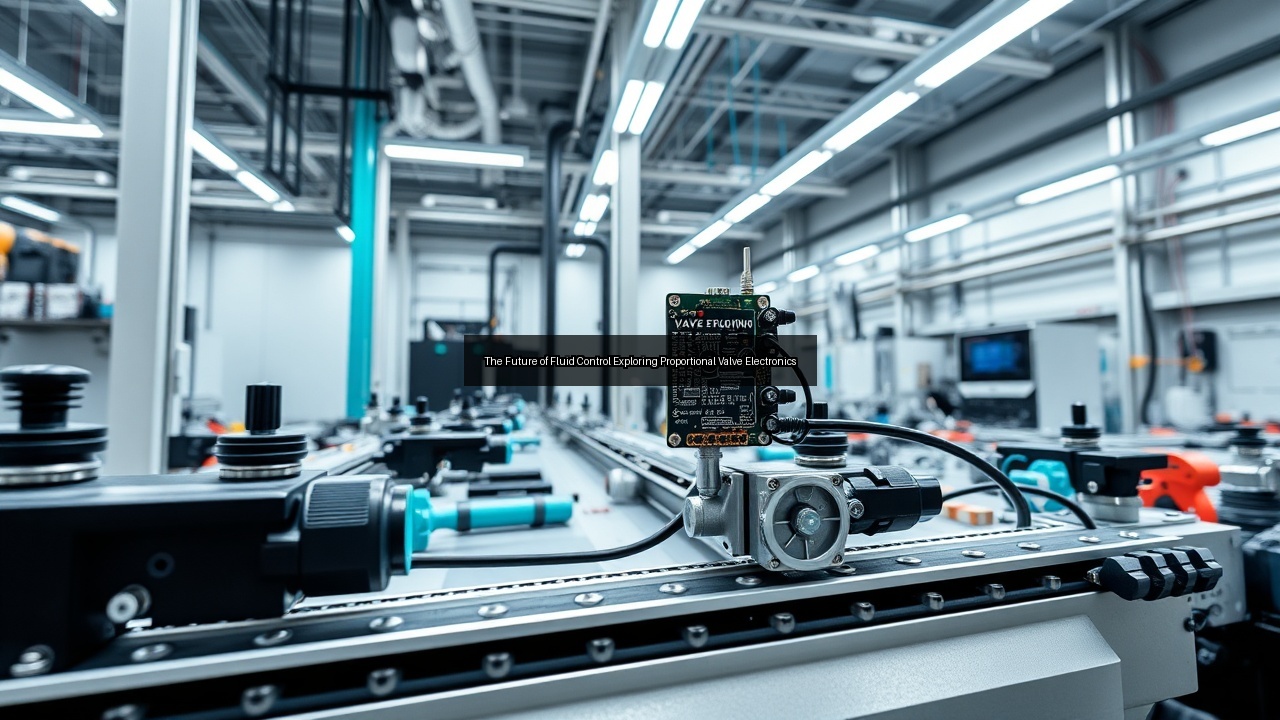
Core elements include the power stage, microcontroller, and feedback circuitry inside each proportional valve driver. The power stage uses an H-bridge to drive current through the solenoid coil in either direction. A potentiometer often supplies spool-position feedback that the controller compares against the command signal. Analog inputs accept 0-10 V or 4-20 mA references while digital interfaces support SAE J1939 messages from vehicle networks. Many boards mount on DIN rail for easy cabinet installation and quick replacement. Amplifiers boost low-level signals to the levels needed by large coils without distortion. LED indicators, frequently a 4 LED array, show status at a glance during troubleshooting. PCB layout places sensitive traces away from high-current paths to limit noise. Proper coil selection matches driver output to valve requirements and prevents overheating under continuous duty.
How Proportional Control Enhances System Efficiency
Proportional control lets operators match flow exactly to demand instead of running pumps at full output and dumping excess fluid. This reduces heat generation and cuts fuel consumption in mobile hydraulic machines. A well-tuned proportional valve driver responds in milliseconds, improving cycle times on automated lines. Systems equipped with these electronics maintain stable pressure across wide temperature swings because the driver compensates for coil resistance changes. Maintenance teams notice fewer leaks and less wear on seals because valves avoid hard stops. Energy recovery circuits become practical when flow can be modulated rather than throttled through relief valves. Overall equipment effectiveness rises when downtime drops due to predictable valve behavior. Plants in North America report measurable drops in electricity costs after retrofitting older bang-bang valves with proportional drivers.
Technological Advancements in Proportional Valve Drivers
Integration of Digital Displays and User Interfaces
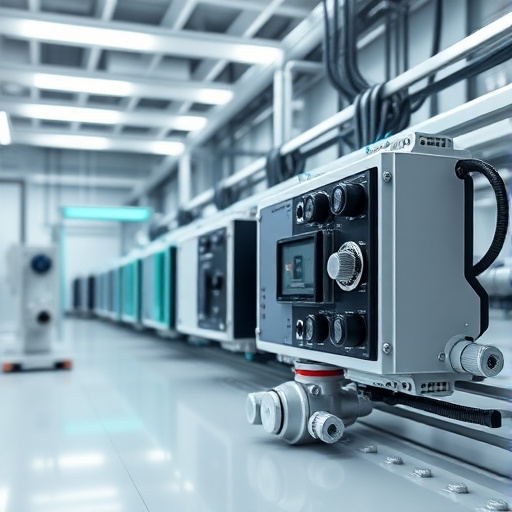
Modern proportional valve drivers feature compact digital displays that show real-time current, command value, and fault codes without extra tools. Touch or keypad interfaces allow technicians to adjust ramp times, deadband, and gain directly at the unit. These interfaces replace banks of potentiometers that once required screwdrivers and reference charts. USB connectivity lets engineers upload configuration files from laptops and log performance data for later analysis. Some models include a cart-style portable display that clips onto the DIN rail during startup. Clear menus guide users through parameter setup in minutes rather than hours. The addition of these interfaces shortens commissioning and reduces errors that previously caused erratic machine motion. Operators now verify settings on the spot and confirm proper valve response before returning equipment to production.
The Impact of Near Field Communication (NFC) on Valve Control
Near field communication enables wireless parameter transfer to proportional valve drivers using a smartphone or tablet. Technicians tap the device against the NFC tag and instantly read or write settings without removing covers or connecting cables. This speeds service calls in dusty or wet environments where opening enclosures risks contamination. Near field communications also support secure cloning of proven configurations across multiple valves on a production line. Firmware updates travel the same way, eliminating the need for dedicated programming adapters. Pulsar series drivers from several vendors now embed NFC alongside traditional analog and CAN interfaces. The technology cuts setup time dramatically while maintaining full audit trails of changes. Maintenance crews appreciate the ability to document valve performance on-site without extra hardware.
Innovations in PCB Design for Enhanced Performance
Advanced PCB layouts pack more functionality into smaller footprints while improving thermal management around power components. Multi-layer boards isolate high-current solenoid drive traces from sensitive analog feedback paths. Integrated current-sensing resistors and temperature compensation circuits maintain accuracy across wide ambient ranges. Designers place protection diodes and transient suppressors close to the coil terminals to guard against voltage spikes. Conformal coatings protect against moisture and vibration common in hydraulic installations. These refinements allow proportional valve drivers to operate reliably inside engine compartments or near hot manifolds. Smaller overall size frees space in control panels and simplifies DIN rail arrangements. The result is higher power density without sacrificing the robustness required for continuous industrial duty.
Applications of Proportional Valve Drivers
Hydraulic Systems in North America: A Case Study
Logging equipment fleets across North America rely on proportional valve drivers to control grapple arms and boom functions with smooth, proportional motion. Older machines retrofitted with new drivers cut fuel use by nearly fifteen percent because pumps no longer run at maximum output continuously. Operators report better load control on steep terrain and reduced shock loads on structural members. Fleet managers track valve performance through SAE J1939 data logged by the same proportional valve driver that commands the valves. Service intervals extended because solenoids experience less thermal cycling. The case demonstrates how electronics upgrades deliver rapid payback in harsh outdoor conditions without requiring complete machine replacement.
The Use of Potentiometers and H-Bridges in Control Systems
Feedback potentiometers mounted on valve spools send continuous position signals back to the proportional valve driver. The driver compares this signal to the command and adjusts H-bridge output to correct any error. This closed-loop arrangement compensates for changes in fluid viscosity or coil temperature that would otherwise shift valve characteristics. H-bridges allow bidirectional current flow, enabling both extension and retraction with a single coil on certain valve designs. Engineers calibrate potentiometer zero and span during installation to match the full stroke of the spool. The combination yields repeatable positioning within one percent of full scale under varying loads. Field adjustments remain simple because most drivers expose potentiometer offset trimmers or menu items for quick recalibration after seal replacement.
Exploring the Use of Amplifiers in Proportional Control
High-power amplifiers inside proportional valve drivers boost low-level command signals to the amperage levels demanded by large solenoids. These stages handle peak currents above three amperes while maintaining linearity across the operating range. Current feedback loops inside the amplifier prevent coil overheating by limiting maximum output. In mobile applications, amplifiers also accommodate supply voltage fluctuations from alternators and batteries. Analog amplifier sections accept both voltage and current inputs, giving designers flexibility when integrating with existing machine controls. Proper amplifier sizing ensures the valve reaches full flow without excessive voltage drop across long cable runs. Technicians verify amplifier health by monitoring driver diagnostics that flag open coils or short circuits before they cause machine downtime.
Challenges and Solutions in Proportional Valve Electronics
Common Issues with Solenoid Valves and Their Drivers
Solenoid valves paired with proportional drivers can stick when contamination enters the spool bore or when coil insulation degrades. Drivers equipped with dither functions reduce static friction and keep spools moving slightly to prevent sticking. Overcurrent faults appear when coil resistance drops due to heat; intelligent drivers fold back output and alert operators. Wiring errors between the driver and valve often trigger immediate shutdowns that protect both components. Regular inspection of connectors and verification of coil resistance during scheduled maintenance prevents most of these issues. Replacement drivers from reputable suppliers arrive pre-calibrated for popular valve models, shortening repair time.
Voltage and Coil Considerations for Optimal Performance
Coil voltage ratings must match the driver supply to avoid underperformance or premature failure. Many proportional valve drivers accept wide input ranges from 9 to 32 VDC, suiting both 12 V and 24 V vehicle systems. Coil resistance changes with temperature, so drivers incorporate compensation that keeps current constant despite heating. Undersized wiring creates voltage drop that reduces available current at the coil and slows valve response. Specifying the correct cable gauge and keeping runs short preserves full driver capability. Engineers calculate peak power draw during simultaneous valve operation to size power supplies and fuses correctly. These steps ensure consistent machine performance from cold starts through extended high-duty cycles.
The Importance of DIN Rail Standards in System Design
DIN rail mounting allows quick installation and replacement of proportional valve drivers inside control cabinets. Standardized 35 mm rails accept modules from multiple manufacturers without custom brackets. Proper spacing between units maintains airflow and prevents heat buildup that could affect driver accuracy. Labeling each driver position on the rail speeds troubleshooting when multiple valves share a panel. Grounding practices recommended by DIN standards reduce electrical noise that interferes with analog command signals. Maintenance teams stock spare drivers that snap into place in minutes, minimizing production interruptions. Consistent rail layouts across machines also simplify training for new technicians.
Future Trends and FAQs in Proportional Valve Technology
Emerging Trends in Proportional Valve Control
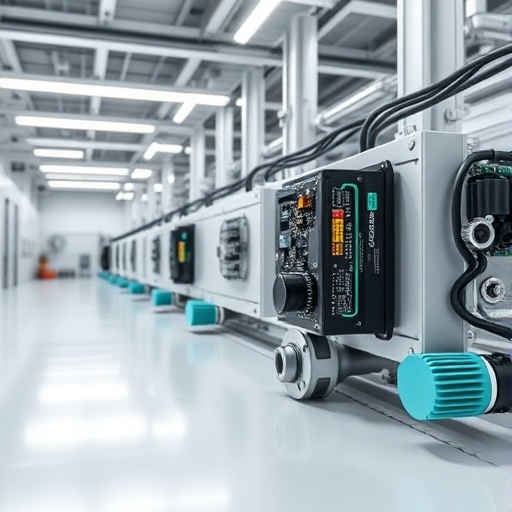
Wireless diagnostics and cloud connectivity now appear in next-generation proportional valve drivers, allowing remote monitoring of coil current and spool position. Predictive maintenance algorithms flag developing faults before they stop production. Integration with higher-speed networks beyond SAE J1939 supports more complex coordinated motion in automated factories. Smaller, higher-efficiency power stages reduce overall cabinet heat load and permit denser packaging. Manufacturers continue to embed more safety functions such as safe torque off directly inside the driver to meet evolving machinery directives. These advances keep proportional control at the center of fluid power evolution.
Frequently Asked Questions About Proportional Valve Drivers
Users often ask how to select the correct proportional valve driver for a given solenoid coil. Match driver output current range and dither frequency to the valve datasheet while confirming supply voltage compatibility. Another common question concerns calibration after coil replacement. Most drivers store parameters in non-volatile memory and allow quick re-entry through the digital display or NFC. Operators also inquire about electromagnetic compatibility; quality units carry CE and FCC marks and include filtering that passes industrial immunity tests. Answers to these and other frequently asked questions appear in manufacturer application notes and online support portals.
The Future of Fluid Control: Predictions and Innovations
Proportional valve electronics will continue to merge with machine learning to optimize flow setpoints automatically based on sensor trends. Expect wider adoption of integrated pressure and temperature sensing inside the same housing that contains the driver. Open-standard communication protocols will simplify mixing components from different vendors on the same hydraulic platform. Energy-recovery valves controlled by smart drivers will become standard on electric and hybrid machines. These innovations point toward fluid systems that self-tune, self-diagnose, and deliver higher efficiency with fewer service hours. The trajectory keeps proportional valve driver technology central to advances in fluid control.
See Also
- Exploring the Role of Potentiometers in Proportional Valve Driver Performance
- Integrating USB Technology with Proportional Valve Drivers for Enhanced Functionality
- SAE J1939 Protocol and Its Impact on Proportional Valve Drivers in North America
- Demystifying the H-Bridge in Proportional Valve Driver Circuits